

Hybrid Smartwatch vs Full Smartwatch: Battery, Style, and Notifications Compared
A smartwatch should do two things: tell time and make your life easier. The trouble is that the two main types ask you to choose between very different definitions of "easier." A hybrid smartwatch looks like a traditional watch and sips power for weeks. A full smartwatch puts a tiny computer on your wrist and asks for a charge most nights. Neither is wrong. The right answer depends on how you use notifications, how you dress, and how much you hate charging cables.
What Counts as Hybrid vs. Full
Hybrid smartwatches keep analog hands. Underneath or behind the dial, there's a small display—sometimes a monochrome OLED, sometimes just hidden LEDs—that shows limited information. You get step counts, heart rate, sleep tracking, and notifications as vibrations or tiny icons. You cannot scroll through a message or open an app. Examples include Withings ScanWatch, Garmin Vivomove series, and Fossil Hybrid HR.
Full smartwatches are what most people picture: a rectangular or round touchscreen running an operating system like watchOS, Wear OS, or a manufacturer's custom system. Apple Watch, Samsung Galaxy Watch, and Google Pixel Watch are the obvious names. They run apps, show full text messages, and support voice assistants. The screen is the point.
Battery and Charging Frequency
This is the clearest dividing line. A hybrid typically lasts one to four weeks on a charge, and some models use a replaceable coin cell that lasts a year or more. You charge it when you remember—or never. A full smartwatch usually lasts one to three days, and if you use the always-on display, GPS, or sleep tracking, you might get less. Most people charge nightly, like a phone.
Charging habits matter more than specs
The real difference isn't the number on a spec sheet. It's the ritual. With a hybrid, you can travel for a week and leave the charger at home. With a full smartwatch, you need a charger on your nightstand, in your bag, or both. If you track sleep, you either charge during dinner or buy a second charger for the office.
- Always-on display
- GPS workouts
- High brightness and frequent notifications
- Streaming music or taking calls
- Older battery age
Hybrids avoid most of these because they simply don't do them. That's the trade.
Style and Everyday Wear
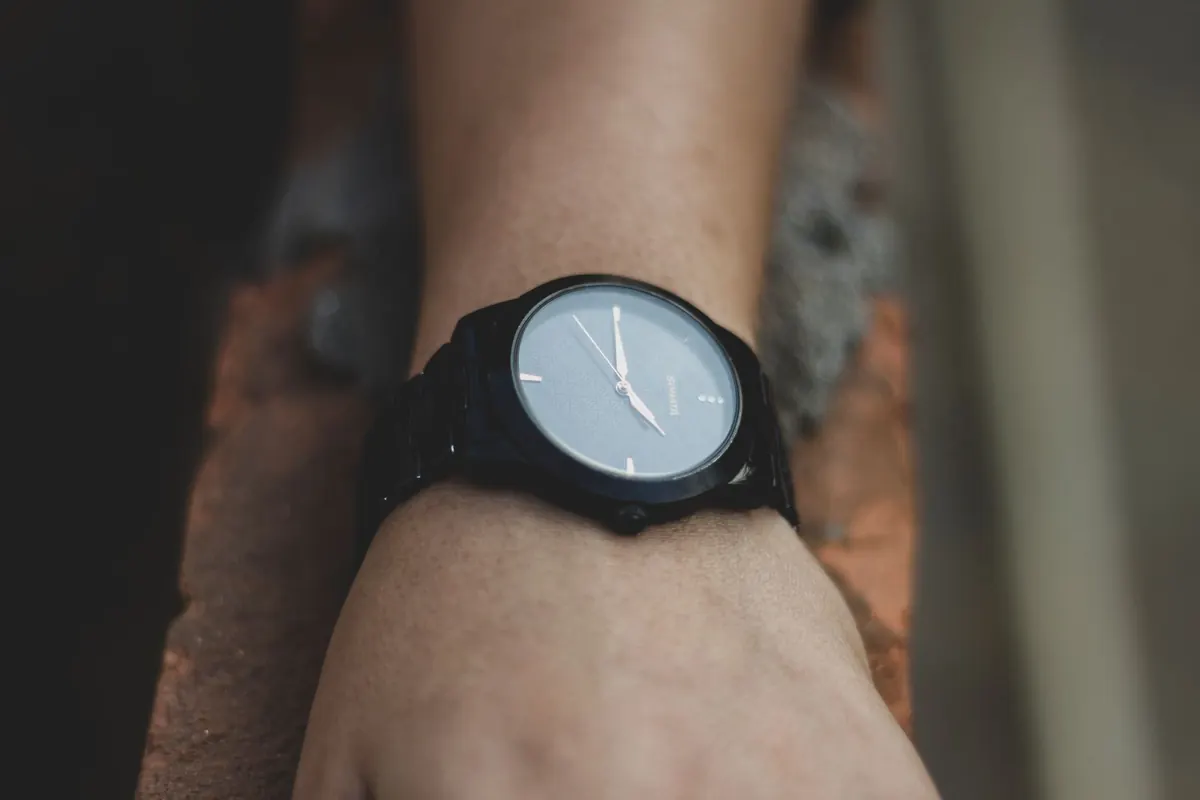
Hybrids win on traditional style. They come with leather, metal, or silicone straps, and they look like a watch you'd wear to a wedding or a job interview. The analog hands mean you can read the time without waking a screen. If you like the weight and feel of a classic timepiece, a hybrid feels natural.
Full smartwatches have improved. Apple Watch with a leather band or a metal link bracelet can look sharp. But the black rectangle on your wrist still reads as technology. Round Wear OS watches like the Galaxy Watch or TicWatch look more like watches, but the screen is always there, and you'll be tapping it.
A quick style test
Look at your current watch. If it's an analog watch you love, a hybrid will feel like an upgrade. If you already wear a fitness band or you're used to a screen, a full smartwatch won't feel like a compromise.
Notifications, Apps, and Always-On Displays
Notifications are where full smartwatches pull ahead. You get the full text of a message, the sender, and often the ability to reply with a quick tap, voice, or keyboard. You can see calendar alerts, control music, get turn-by-turn directions, and use contactless payments. Apps range from timers to meditation to golf scorecards.
Hybrids are more like a polite assistant. They vibrate when something arrives. Some show a small icon—an envelope, a phone, a heart—or a short line of text. You cannot reply. You cannot browse. You can usually dismiss the notification by pressing a button, but that's it. For some people, that's a feature: less screen time, fewer distractions.
Always-on displays
A full smartwatch with an always-on display shows the time, complications, and sometimes a dimmed version of your watch face. It's handy, but it drains battery. A hybrid's analog hands are always on by definition. No settings, no battery cost. The small digital display may stay off until you press a button.
- Can you read and reply to messages?
- Does it support your phone's ecosystem (iPhone vs. Android)?
- Can you take calls on the watch?
- Does it have contactless payments?
- Can you customize which apps send alerts?
Fitness and Health Tracking
Hybrids cover the basics well: steps, distance, calories, heart rate, sleep stages, and sometimes blood oxygen or ECG on higher-end models. They often lack built-in GPS, so you'll need to carry your phone for runs. Workout modes are limited compared to full smartwatches.
Full smartwatches pack more sensors and more sports. Built-in GPS, altimeters, temperature sensors, and advanced sleep tracking are common. They can guide you through workouts, count laps, and estimate recovery. If you train seriously or want detailed health data, a full smartwatch is the better tool. Remember that health features are not medical devices; for any medical concern, talk to a professional.
How to Choose Without Regret
Start with the one thing you cannot live without. If you need to reply to texts from your wrist, stop here and buy a full smartwatch. If you need a watch that lasts a week and looks like a watch, buy a hybrid.
Then ask yourself these questions:
- How often do you charge your phone? If you hate charging, hybrid.
- Do you sleep with a watch? Full smartwatches need charging windows; hybrids last through the night easily.
- Do you run or cycle without your phone? Full smartwatch with GPS.
- Do you want apps and payments? Full smartwatch.
- Do you want to disconnect more? Hybrid.
A practical compromise: buy a hybrid for daily wear and a cheap fitness band for workouts. Or buy a full smartwatch and turn off most notifications. The point is to match the device to your habits, not to the spec sheet.
Try one for a week. If you miss replying to messages, switch. If you miss not charging, switch back. Watches are personal. The best one is the one you forget you're wearing—until it tells you something useful.
Photo: Pragyan Bezbaruah / Pexels